Xylazine, often called “tranq” on the streets, is a veterinary sedative increasingly found mixed with illegal drugs like fentanyl, heroin and cocaine. Originally designed for animals, this drug is now causing severe complications for people struggling with addiction, including dangerous sedation, skin wounds and more lethal overdoses.
What’s Xylazine?
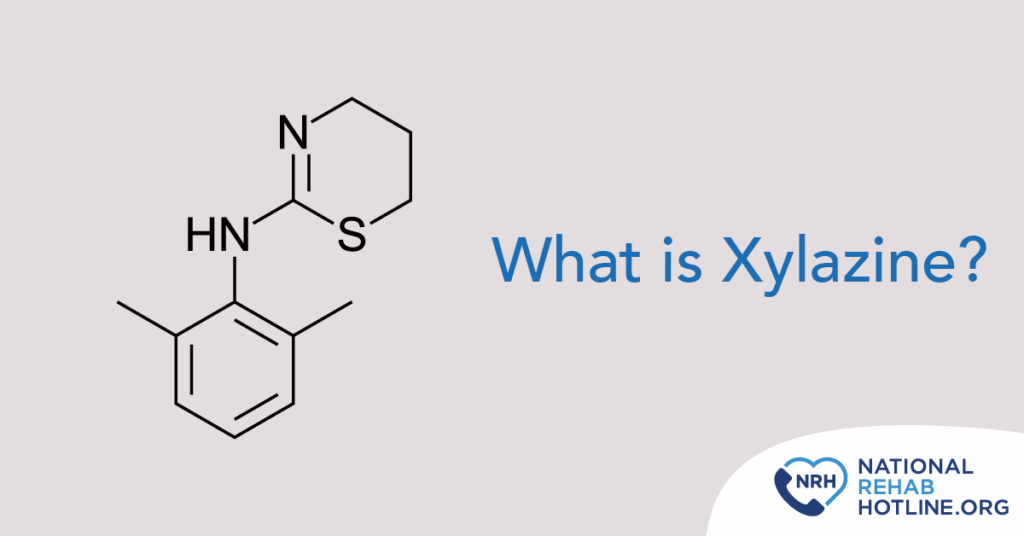
Xylazine is a non-opioid sedative used in veterinary medicine to calm animals during procedures. It acts on the central nervous system through alpha-2 adrenergic receptors, causing profound sedation. Unlike opioids, xylazine isn’t approved for human use and has no legitimate medical purpose for people.
Illicit drug dealers mix xylazine with substances like fentanyl to extend the high and increase product volume, boosting profits. The Drug Enforcement Administration reported xylazine in about 23% of fentanyl powder seized in 2022 — a sharp rise from previous years. Most users are unaware they’re consuming this dangerous additive.
How Does Xylazine Enter the Drug Supply?
Xylazine is diverted from veterinary sources and sold online, often without regulation. It has spread rapidly across the United States, with early concentrations in the Northeast, especially Philadelphia, but is now present nationwide. People with opioid use disorder are most affected.
Dangerous Effects of Xylazine
Xylazine causes extreme sedation, slowed breathing, dangerously low blood pressure and slowed heart rate. These effects last longer than many opioids, increasing risks of hypothermia and injury. When mixed with opioids like fentanyl, the combined respiratory depression greatly raises the risk of fatal overdose.
Unlike opioid overdoses, xylazine overdoses can’t be reversed with naloxone, complicating emergency responses. Rescue breathing and immediate medical attention are critical.
The Skin Wound Crisis
A unique and severe effect of xylazine is the development of necrotic skin wounds. These can appear anywhere on the body — even away from injection sites — and start as small lesions that rapidly worsen into painful ulcers. They’re difficult to heal and often require specialized care. Untreated wounds can become infected, leading to sepsis or amputation.
Recognizing Xylazine Exposure
Signs include prolonged unconsciousness beyond typical opioid effects, dangerously slow or irregular breathing and unusual skin wounds. Withdrawal symptoms may include anxiety and high blood pressure and often don’t respond to standard opioid withdrawal treatments.
Overdose Response and Life-Threatening Risks
Xylazine increases overdose dangers, especially when mixed with opioids. Naloxone should still be administered because opioids are usually present, but it won’t reverse xylazine’s effects. Emergency medical services must be called immediately. Rescue breathing and airway management are essential due to the profound sedation caused by xylazine.
Prolonged unconsciousness increases vulnerability to injury, hypothermia and other dangers. The severe skin wounds also pose life-threatening risks if untreated.
Treatment and Recovery
Recovery from xylazine-involved substance use disorder is possible with specialized care. Treatment addresses both opioid and xylazine withdrawal symptoms. Medication-assisted treatment (MAT) remains effective for opioid dependence, alongside additional care for xylazine’s complications.
Specialized wound care involving infectious disease and wound care specialists is often necessary. Comprehensive therapy supports recovery from both substance use and xylazine-related health issues.
Managing Xylazine Withdrawal
Xylazine withdrawal can be complex and longer-lasting than opioid withdrawal. Symptoms include anxiety and cardiovascular effects and require medical supervision. Treatment must address both opioid and xylazine withdrawal simultaneously.
Harm Reduction and Staying Safer
Complete abstinence is safest, but harm reduction strategies help reduce risks for those using substances that may contain xylazine. Never use alone; have someone nearby who can call for help and administer naloxone. Xylazine test strips are becoming available to detect the drug before use.
Carrying naloxone remains important due to the frequent presence of opioids. Basic wound care is critical for preventing complications from xylazine-related skin wounds. Harm reduction organizations provide supplies, education and referrals to medical care.
Frequently Asked Questions About Xylazine
- Can You Overdose on Xylazine Alone?
Yes, but most overdoses involve multiple substances, especially fentanyl. - Will Naloxone Work If Someone Used Xylazine?
No, naloxone doesn’t reverse xylazine’s effects but should still be given for opioid overdose. - Can Xylazine Wounds Heal?
Yes, with proper medical care and early treatment, these wounds can heal properly. - Is Xylazine Addiction Treatable?
Yes, xylazine addiction is treatable with specialized approaches that address both xylazine and opioid use. - How Can I Tell If Drugs Contain Xylazine?
Testing is required; some harm reduction groups offer xylazine test strips.
Moving Forward: Recovery Is Possible
Though xylazine presents new challenges, recovery remains achievable with the proper support and medical care. Specialized treatment programs address the unique complications caused by xylazine, combining addiction treatment with wound care and other medical interventions.
Seeking help is a courageous step toward reclaiming health and life. Resources are available to support those affected by xylazine-related substance use disorder.
If you or someone you love is struggling with xylazine-related substance use, help is available 24-7. Call the National Rehab Hotline for free, confidential guidance and treatment options.