What is the GHB drug? Find out how this nervous system depressant works and what to do if you think you may need help for an addiction.
If you’re reading this, you or someone you love may be struggling with GHB use. Perhaps you’re scared, confused or feeling alone. But you’re not alone, and seeking information is a brave first step toward getting help. Understanding what the GHB drug is and how it affects your body can help you make informed decisions about your health and safety.
Recovery is possible, and help is available 24-7.
What’s GHB?
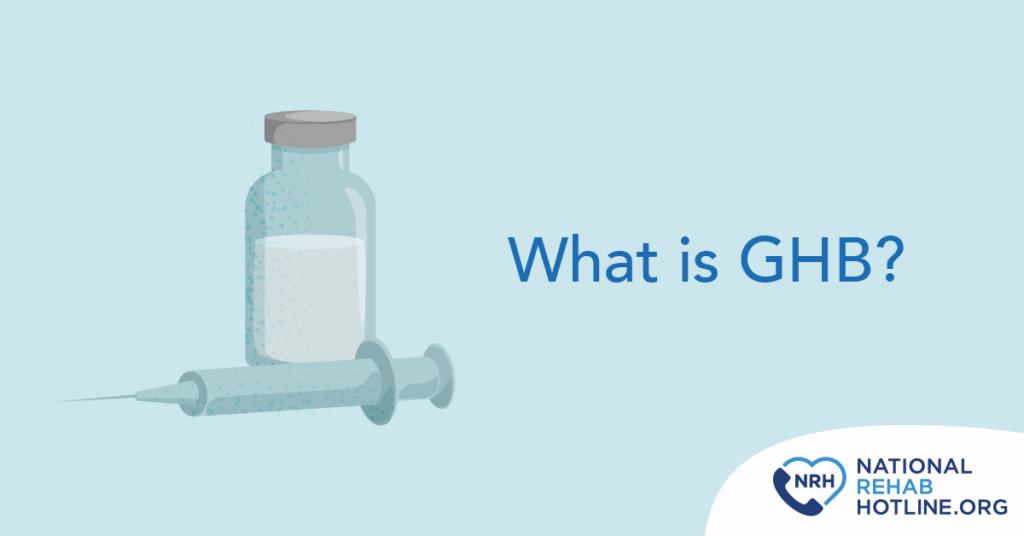
GHB, or gamma hydroxybutyrate, is a powerful central nervous system depressant that slows down brain activity and vital body functions.
This dangerous substance goes by many street names, including:
- G or Georgia Home Boy
- Liquid ecstasy or Liquid X
- Grievous bodily harm
- Blue nitro
- Fantasy
- Club drug
GHB typically appears as a clear, colorless liquid stored in small bottles, but it can sometimes have a blue tint or appear as white powder or crystals. Many people describe it as having a slightly salty or soapy taste, but it’s often mixed into drinks where the taste can be masked.
What makes GHB particularly dangerous is its unpredictable nature. Street versions vary wildly in strength and purity, making it nearly impossible to know what you’re actually taking.
How GHB Affects Your Body and Mind
Understanding how GHB affects your system can help you recognize the serious risks involved. The effects of GHB begin within 10-20 minutes of taking the drug and can last anywhere from 1-6 hours, depending on the dose and your body’s response.
At lower doses, GHB may initially produce:
- Feelings of euphoria and sociability
- Reduced inhibitions
- Relaxation and decreased anxiety
- Increased sex drive
However, as doses increase, the sedative effects become much more dangerous:
- Severe drowsiness and confusion
- Memory loss and blackouts
- Difficulty breathing and shallow breathing
- Loss of consciousness and deep sleep
GHB affects your central nervous system by slowing communication between your brain and body. This is why people using GHB experience everything from mood swings to potentially life-threatening breathing problems. The drug interferes with your body’s ability to maintain basic functions like breathing and heart rate.
The biggest danger is that there’s a very small difference between a dose that produces the desired effect and one that causes a GHB overdose. Even experienced users can’t predict how their body will respond, especially when drug purity varies so dramatically.
The Serious Dangers of GHB Use
Taking GHB carries serious, potentially fatal risks that every user should understand. The margin between getting high and overdosing is extremely narrow, making every use a dangerous gamble.
Overdose Risk
A GHB overdose can happen with just slightly more than someone’s usual dose. Warning signs include:
- Extreme difficulty breathing or breathing problems
- Vomiting and risk of choking
- Unconsciousness or unresponsiveness
- Seizures and irregular heart rate
- High blood pressure and heart strain
Memory Loss and Vulnerability
GHB is unfortunately known as a date rape drug because its sedative effects prevent victims from resisting sexual assault. The drug causes severe memory blackouts, leaving people unable to remember what happened while under its influence. This memory loss makes users extremely vulnerable to sexual assault and other crimes.
Mixing GHB With Other Substances
Combining GHB with alcohol or other drugs creates extreme, life-threatening dangers. This combination is one of the leading causes of GHB-related deaths.
When mixed with alcohol, the risk of overdose increases dramatically because both substances depress your central nervous system. This combination can lead to:
- Stopped breathing or extremely shallow breathing
- Cardiac arrest
- Deep coma
- Death
Many people don’t realize that even prescription medications, over-the-counter drugs and substances like nitrous oxide can be deadly when combined with GHB. Operating machinery or driving becomes impossible and dangerous due to the extreme sedation.
Signs of GHB Addiction and Dependence
GHB dependence can develop quickly, sometimes after just regular use over a few weeks. Physical dependence occurs when your body adapts to the presence of the drug and needs increasingly high doses to achieve the same effect.
Signs that you or a loved one may be developing GHB addiction include:
- Needing higher amounts to feel the desired effect
- Using GHB more frequently than intended
- Unable to stop despite wanting to quit
- Neglecting responsibilities at work, school or home
- Continuing use despite relationship problems
- Experiencing withdrawal symptoms when not using
- Spending significant time obtaining, using or recovering from GHB
Physical dependence on GHB is a medical condition, not a personal failure or lack of willpower. Your brain chemistry has been altered by repeated drug use, and professional treatment can help restore healthy functioning.
If you recognize these signs in yourself or someone you care about, please know that help is available and recovery is absolutely possible.
GHB Withdrawal: What to Expect
GHB withdrawal can be severe and potentially life-threatening, which is why medical supervision during detox is essential. Withdrawal symptoms typically begin 6-72 hours after your last dose and can persist for 5-15 days.
Physical withdrawal symptoms may include:
- Tremors and uncontrollable shaking
- Profuse sweating
- Rapid, irregular heart rate
- High blood pressure
- Nausea and vomiting
- Seizures (which can be fatal)
Mental and emotional symptoms often involve:
- Extreme anxiety and panic attacks
- Agitation, hallucinations and blackouts
- Severe confusion and disorientation
- Depression and mood swings
- Insomnia and sleep disturbances
The intensity of withdrawal depends on factors like how long you’ve been using GHB, typical dose amounts and your overall health. However, even people who haven’t used GHB for very long can experience withdrawal symptoms that require medical attention.
Professional medical help makes withdrawal safer and more manageable. Treatment centers can provide medications and support to ease symptoms and prevent dangerous complications like seizures.
Treatment Options for GHB Addiction
Recovery from GHB addiction is absolutely possible with the right support and treatment approach. Various levels of care are available to meet your specific needs and circumstances.
- Medical detoxification. Supervised medical detox is often the first step, providing 24-7 medical monitoring as GHB leaves your system. Health care providers can manage withdrawal symptoms and prevent dangerous complications.
- Inpatient rehabilitation. Residential treatment programs typically last 30-90 days and provide intensive therapy, education about addiction and coping skills development in a safe, drug-free environment.
- Outpatient treatment. For those who need flexibility to maintain work or family responsibilities, outpatient programs offer counseling, group therapy and support while you live at home.
- Long-term support. Support groups, ongoing counseling and peer recovery programs help maintain sobriety and prevent relapse. Many people find that connecting with others who understand their experience is invaluable.
Treatment addresses not just the physical aspects of drug addiction but also the underlying emotional and psychological factors that contribute to substance use.
How to Help a Loved One Struggling With GHB
Watching someone you care about struggle with GHB use is heartbreaking and frightening. You may feel helpless, but there are important ways you can provide support.
- Having supportive conversations. Approach your loved one with compassion instead of judgment. Express your concerns about their health and safety rather than criticizing their choices. Avoid lecturing or ultimatums, which often push people away.
- Emergency response. If you suspect a GHB overdose, call 911 immediately. Signs requiring emergency medical help include unconsciousness, difficulty breathing, vomiting and seizures. Don’t try to make the person vomit or give them coffee — seek medical help right away.
- Supporting yourself. Caring for someone with addiction takes a tremendous emotional toll. Consider joining support groups for families affected by addiction, and don’t neglect your own mental health needs.
Remember that you can’t control another person’s drug use, but you can offer love, support and information about treatment options.
Your Path to Recovery Starts Today
If you’re struggling with GHB use, please know that recovery is possible. Addiction is a medical condition that responds to proper treatment, not a moral failing or character flaw.
Taking the step to seek information shows incredible strength and courage. Many people who are now living healthy, fulfilling lives in recovery felt exactly as scared and hopeless as you might feel right now.
Call the National Rehab Hotline today for free, confidential guidance.