If addiction runs in your family, you’re probably wondering whether you’re destined to struggle with substance use disorders too. The concern is understandable, and you’re not alone in having these fears. Many people worry that genetic factors have already determined their fate when it comes to addiction risk.
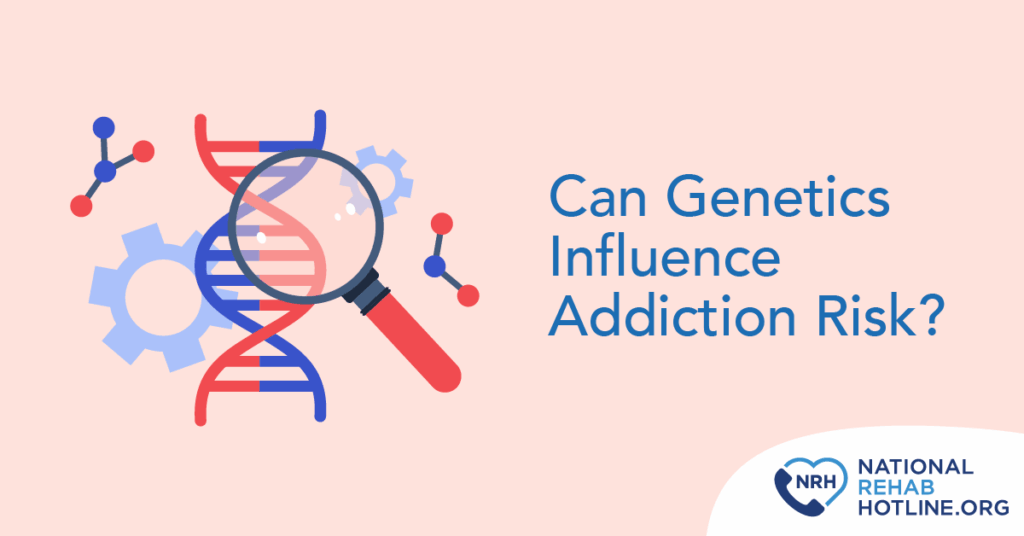
Here’s what you need to know: Genetics do play a significant role in addiction risk, accounting for approximately 40% to 60% of your vulnerability to substance use disorders. However, genetic predisposition doesn’t guarantee addiction will develop. Multiple genes, environmental factors and personal choices all interact in complex ways to influence your actual risk.
This article will help you understand how genetic risk factors work, what they mean for you and your family and, most importantly, how you can take control of your health regardless of your genetic background.
Understanding the Genetic Component of Addiction
Research shows that genetic influences contribute substantially to addiction risk, but the picture is more nuanced than many people realize. The National Institute on Drug Abuse emphasizes that genes aren’t destiny. While genetic factors create vulnerability, they interact with environmental influences to determine whether addiction actually develops.
This complex interplay means having addiction genes doesn’t necessarily doom you to develop substance use disorders. Multiple genes are involved in addiction risk — there’s no single “addiction gene” that controls everything. Instead, many genes work together to influence how your brain responds to substances, how quickly you develop tolerance and how strongly you experience cravings.
How Genetics Actually Influences Addiction Risk
Your genetic makeup affects addiction risk through several biological processes. The brain’s reward system, particularly dopamine signaling pathways, is heavily influenced by genetic variation. When these pathways function differently due to genetic differences, it can make substances more or less rewarding.
Specific genes play important roles in addiction vulnerability. The mu opioid receptor gene (OPRM1) affects how your brain responds to opioids and alcohol. Variations in this gene can influence treatment outcomes and your risk of developing these addictions. Other genes like DRD2 affect dopamine receptors, while ADH1B influences how quickly your body metabolizes alcohol.
Genetic factors also determine how your body processes different substances. Some people metabolize drugs or alcohol more slowly due to genetic variations, leading to stronger effects and potentially increased risk. Others may have genetic differences that make substances less appealing or more likely to cause negative consequences.
Genetics vs. Heredity: What’s Really Passed Down
Understanding the difference between genetic inheritance and family patterns is crucial. While you inherit DNA from your parents, you also inherit environmental influences like family stress, parental substance use and household dynamics.
Epigenetics adds another layer of complexity. Environmental factors can actually change how your genes are expressed without altering the underlying DNA sequence. Chronic stress, trauma and adverse childhood experiences can activate or suppress certain genes throughout your life.
This means that even if you carry risk genes, environmental factors significantly influence whether those genetic predispositions become problematic. Conversely, protective environments can help overcome genetic vulnerability to substance use disorders.
Environmental Factors That Interact With Genetic Risk
Environmental influences play a crucial role in determining whether genetic predispositions lead to actual addiction. Adverse childhood experiences, trauma and chronic stress can amplify genetic risk by affecting brain development and stress response systems.
Social environment matters tremendously. Peer influences, substance availability and cultural attitudes toward drug use all interact with genetic factors. Someone with high genetic risk might never develop addiction if they live in a protective environment with limited substance access.
Mental health conditions often co-occur with substance use disorders, partly due to shared genetic factors. People with genetic predispositions to both addiction and mental disorders like bipolar disorder or anxiety face compounded risk. However, treating underlying mental health issues can significantly reduce addiction risk.
Protective factors can overcome genetic vulnerability. Strong family relationships, educational opportunities, healthy coping skills and mental health support all help reduce risk even in genetically susceptible individuals.
Signs You May Have a Higher Genetic Risk
Certain patterns in your family history may indicate elevated genetic risk for substance use disorders. Look for addiction affecting multiple family members across different generations, early onset substance use or rapid progression from casual use to dependence.
Early onset of substance use in your own life can signal genetic vulnerability. People with genetic predispositions often begin using substances earlier and progress more quickly to problematic use patterns.
If you find you have unusually strong cravings or difficulty controlling substance use from the beginning, this could indicate genetic factors at play. Some people with genetic predispositions experience more intense rewarding effects from substances or have trouble stopping once they start.
Multiple substance use disorders within families also suggest genetic influences because many addiction genes affect vulnerability to various substances rather than just one specific drug.
Genetic Testing and Addiction Prediction
While genetic testing can identify some risk variants, most genetic risk factors remain undiscovered. Current genome-wide studies can only account for a small fraction of inherited addiction risk.
Polygenic risk scores attempt to combine information from multiple genes to predict addiction vulnerability, but these tools aren’t clinically useful yet for most people. The science isn’t advanced enough to provide meaningful individual risk predictions.
Most medical professionals don’t recommend genetic testing specifically for addiction risk. The results would likely create anxiety without providing actionable information because environmental factors remain so influential.
However, genetic testing may become more useful as research advances. Future genetic tests might help guide prevention strategies or treatment approaches for those with extensive family histories of addiction.
How Genetic Information Impacts Treatment
Understanding genetic factors can improve addiction treatment outcomes through personalized medicine approaches. Pharmacogenomics — how genes affect medication response — already influences some treatment decisions.
For example, genetic variations in the OPRM1 gene help predict who’ll respond well to naltrexone for alcohol use disorder treatment. Individuals with specific genetic variants tend to exhibit better outcomes with this medication, while others may require alternative approaches.
Genetic information also helps explain why some people need higher medication doses or experience different side effects during treatment. This knowledge allows health care providers to customize treatment plans based on individual genetic profiles.
Understanding your genetic risk can also motivate you to engage with behavioral therapies and make lifestyle changes. When people understand the biological basis of their vulnerability, they often feel less shame and are more motivated to pursue comprehensive treatment.
Guidance for Families Concerned About Genetic Risk
Families with addiction history need strategies to protect vulnerable members while maintaining open communication. Talking honestly with children about family addiction patterns helps them understand their potential risks without creating fear.
Creating protective environments becomes especially important for families with genetic risk. This means establishing clear boundaries around substance use, addressing mental health issues promptly and teaching healthy coping skills.
Watch for warning signs in family members, including early substance experimentation, mental health problems or behavioral changes. Early intervention can prevent genetic risk from developing into full addiction.
Consider seeking genetic counseling if addiction affects multiple family members across generations. Professional guidance can help families understand their risks and develop prevention strategies.
Hope and Recovery Despite Genetic Predisposition
Having genetic risk factors doesn’t mean addiction is inevitable. Many people with significant family histories never develop substance use disorders, while others recover successfully when addiction does occur.
Understanding genetic factors can actually improve treatment outcomes. When people recognize the biological basis of their vulnerability, they often experience less shame and have more motivation to engage with evidence-based treatments.
Taking Action: Next Steps for You and Your Family
If you’re concerned about genetic risk, the most important step is seeking professional guidance. Mental health professionals can help assess your individual risk factors and develop appropriate strategies.
Don’t wait for problems to develop before taking action. Prevention strategies work best when implemented early, especially for those with higher genetic risk.
Consider counseling even if you haven’t experienced addiction yourself. Understanding your risks and developing coping strategies can prevent future problems and help you support family members effectively.
Remember that genetic predisposition is just one factor among many. Environmental influences, personal choices and available support all play crucial roles in determining outcomes.
Connect With Someone Who Cares
Whether you’re struggling with addiction yourself or worried about family members, help is available. Recovery is possible regardless of genetic background, and treatment can be tailored to address your specific risk factors and circumstances.
Call the National Rehab Hotline today for free, confidential guidance. Available 24-7, this resource can connect you with appropriate support and treatment options. Taking that first step toward help is always the right choice, no matter what your genetic background might be.