If you’re reading this, you may be worried about yourself or someone you love. Perhaps you’ve heard about fentanyl in the news, or you’re trying to understand why this drug has become so dangerous. Whatever brought you here, you’re taking an important step by seeking information.
Fentanyl is a powerful synthetic opioid that exists in two very different worlds. In hospitals and doctor’s offices, it’s a carefully controlled medication used to help manage severe pain. On the streets, it’s the leading cause of overdose deaths in the United States, often hidden in other drugs without users’ knowledge.
This guide explains everything you need to know about fentanyl, including its legitimate medical uses and the dangers of illicit fentanyl. It also covers how to recognize the signs of overdose and addiction and, most importantly, where to find help.
What Is Fentanyl?
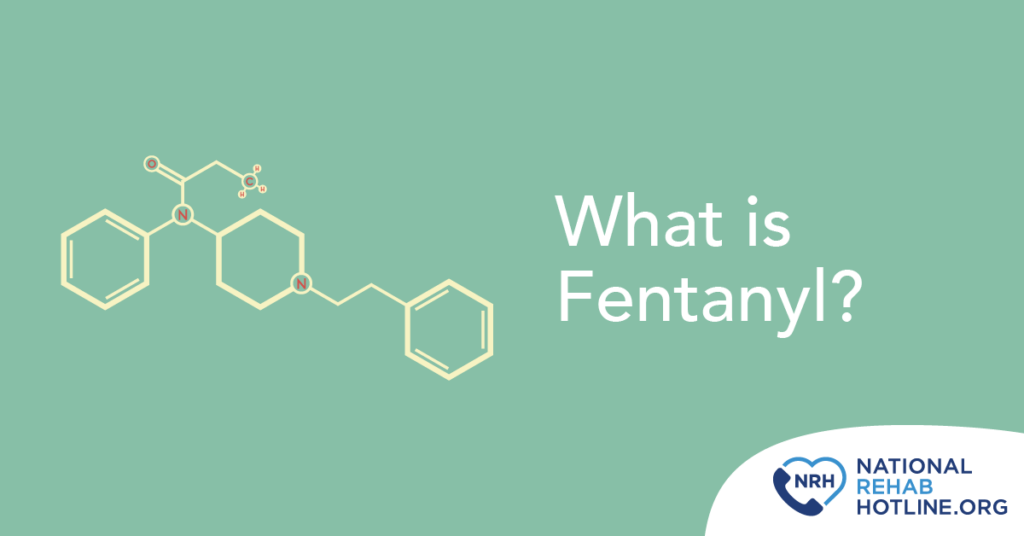
Fentanyl is a synthetic opioid, meaning it’s entirely manufactured in laboratories rather than derived from natural sources like the poppy plant. Originally developed in the 1950s, this medication was designed to fill a critical need in medicine: providing rapid, powerful pain relief when other options weren’t strong enough.
The potency of fentanyl is what makes it both medically valuable and extremely dangerous. It’s approximately 100 times stronger than morphine and 50 times more powerful than heroin. This means that effective doses are measured in micrograms, amounts so small they’re nearly invisible to the naked eye.
Because of its high potential for misuse and addiction, the Drug Enforcement Administration classifies fentanyl as a Schedule II controlled substance under federal law. This places it in the same category as other prescription opioids like Oxycodone but subject to even stricter handling requirements due to its extreme potency.
When fentanyl enters the body, it binds to opioid receptors in the central nervous system, blocking pain signals between the body and brain. This mechanism delivers rapid pain relief but also causes the respiratory depression that makes overdose so deadly.
Legitimate Medical Uses of Fentanyl
Despite its role in the overdose crisis, fentanyl does have legitimate and important medical uses when prescribed and administered by trained professionals. In healthcare settings, it’s used carefully and under strict controls to manage severe pain that other medications can’t adequately treat.
Prescription Forms
In controlled medical settings, fentanyl serves crucial purposes. Healthcare providers prescribe it to treat chronic cancer pain in patients who have developed tolerance to other opioid analgesics. It’s also used to relieve severe pain following major surgeries and as part of anesthesia during medical procedures.
Prescription fentanyl comes in several carefully designed forms:
- Transdermal patches. Fentanyl patches release medication slowly through the skin over 48–72 hours.
- Sublingual tablets and lozenges. These dissolve under the tongue and are often used for breakthrough pain.
- Nasal sprays. This form provides rapid relief when pain spikes unexpectedly.
- Injectable fentanyl citrate. Medical professionals administer this form during surgery or in clinical settings.
When a doctor prescribes fentanyl, they carefully monitor patients throughout treatment. Doses are calculated precisely based on the patient’s condition, other medications and prior opioid exposure. The first 24-72 hours of treatment require especially close observation.
For patients with advanced cancer or those recovering from major trauma, prescription pain medicine like fentanyl can provide relief that other drugs simply cannot achieve. When used exactly as directed under medical supervision, it remains an important tool in pain management.
Illicit Fentanyl: The Hidden Danger
Outside of medical settings, fentanyl becomes far more dangerous. Illicitly manufactured fentanyl now drives the majority of opioid overdose deaths because it’s unpredictable, extremely potent and often hidden in other drugs without a person’s knowledge.
How Illegal Fentanyl Is Made and Distributed
The fentanyl causing most overdose deaths today isn’t coming from pharmacies; it’s illegally manufactured in clandestine laboratories. Illicit fentanyl has flooded the drug supply because it’s cheap to produce, incredibly potent and highly addictive.
Drug traffickers mix this illegal fentanyl into other drugs to increase potency and addictiveness while cutting costs. The problem is that users often have no idea what they’re consuming. Illicit drugs sold as heroin, cocaine or methamphetamine frequently contain deadly doses of fentanyl.
Because fentanyl is so powerful, even tiny inconsistencies in mixing can create lethal hot spots within a single batch. A single dose that looks identical to others could contain enough fentanyl to cause a fatal overdose. Just 2 milligrams, an amount that would fit on the tip of a pencil, can kill.
Counterfeit Pills and Rainbow Fentanyl
One of the most alarming trends involves counterfeit pills designed to look exactly like legitimate medications. These fake pills mimic prescription opioids like Oxycodone, anti-anxiety medications like Xanax and even ADHD drugs like Adderall. They’re pressed to appear identical to pharmaceutical-grade medication but contain unpredictable amounts of fentanyl.
Purchasing any pill outside of a licensed pharmacy is extremely dangerous. There is no way to tell by looking at a pill whether it contains fentanyl.
Recently, “rainbow fentanyl” has appeared in some areas, brightly colored pills and powders that resemble candy. Despite their appearance, these are just as deadly as any other form of illicit fentanyl.
The critical fact to understand is this: fentanyl cannot be detected by sight, smell or taste. The only way to know if drugs contain fentanyl is to test them.
The Dangers and Risks of Fentanyl
Fentanyl’s potency makes it one of the most dangerous opioids in circulation today. Whether used intentionally or unknowingly, exposure carries a high risk of overdose and rapid, life-threatening complications that can unfold in minutes.
Overdose Risk
Fentanyl’s extreme potency creates life-threatening effects within minutes of exposure. The drug causes rapid respiratory depression, slowing breathing to dangerous levels or stopping it entirely. Because the margin between an effective dose and a deadly one is so narrow, opioid overdose is extremely likely with any illicit use.
Even people who regularly use opioids can overdose on fentanyl. Tolerance to one opioid doesn’t fully protect against the effects of a much stronger one. First responders report scenes where experienced drug users were killed by a single dose of fentanyl-laced substances.
The statistics paint a devastating picture. Fentanyl and fentanyl-like drugs now account for the majority of opioid-related overdose deaths in the United States. This synthetic opioid has transformed the drug crisis into something far more lethal than previous decades.
Signs and Symptoms of Fentanyl Overdose
Recognizing an overdose quickly can save a life. If someone has been using drugs and shows these signs, call 911 immediately:
- Slow, shallow breathing or no breathing at all
- Blue or grayish lips, fingernails or skin
- Pinpoint pupils (extremely small)
- Cold, clammy skin
- Choking or gurgling sounds
- Limp body and unresponsiveness
- Loss of consciousness
Fentanyl overdose can also cause pulmonary edema, muscle rigidity (particularly in the chest) and low blood pressure. Without emergency medical treatment, death can occur within minutes.
If you suspect an overdose, don’t wait. Call for help and administer naloxone if available. Immediate medical attention is essential.
Recognizing Fentanyl Use and Addiction
Fentanyl use can be difficult to recognize, especially early on. Its effects may resemble those of other opioids at first, but tolerance and dependence develop quickly, increasing the risk of addiction and serious health consequences.
Short-Term Effects
When someone is taking fentanyl, they may experience:
- Intense euphoria and relaxation
- Extreme drowsiness or nodding off
- Confusion and disorientation
- Nausea and vomiting
- Constipation and stomach cramps
- Pupillary constriction
Tolerance develops rapidly with fentanyl use. This means people need increasingly larger doses to achieve the same effects, dramatically increasing overdose risk. What started as occasional use can quickly become a habit-forming pattern.
Understanding the difference between use, misuse and addiction is critical. Someone might use prescription fentanyl appropriately for cancer pain. Misuse involves taking it in ways not prescribed. Addiction is characterized by compulsive use despite harmful consequences, a medical condition requiring treatment.
Long-Term Health Consequences
Prolonged fentanyl use damages the body in multiple ways. Chronic respiratory depression can cause lung problems and reduced oxygen to the brain. People with kidney disease or liver conditions face additional risks, as their bodies may process the drug differently.
Withdrawal symptoms when stopping fentanyl are intensely uncomfortable:
- Severe muscle and bone pain
- Stomach cramps and diarrhea
- Runny nose and excessive sweating
- Fast heartbeat and agitation
- Insomnia and anxiety
- Increased sensitivity to pain
Beyond physical effects, substance abuse disrupts relationships, employment and every aspect of daily life. The psychological grip of addiction makes stopping without help extremely difficult.
Life-Saving Tools: Naloxone and Fentanyl Test Strips
While fentanyl poses serious risks, tools exist that can save lives and reduce harm. Naloxone and fentanyl test strips don’t replace treatment, but they provide critical protection during overdose emergencies and help lower the risk of unintentional exposure.
Naloxone (Narcan)
Naloxone is a medication that can reverse an opioid overdose within minutes. It works by blocking opioid receptors in the brain, temporarily restoring normal breathing. Having naloxone accessible can mean the difference between life and death.
Naloxone is available without a prescription at most pharmacies. Many local health departments and community organizations distribute it for free. It comes as a nasal spray or injectable form.
How to use naloxone nasal spray:
- Call 911 immediately
- Lay the person on their back
- Tilt their head back and insert the nasal spray nozzle into one nostril
- Press the plunger firmly to release the dose
- If no response in 2-3 minutes, administer a second dose in the other nostril
- Stay with the person until help arrives
Naloxone is safe even if you’re uncertain whether someone is experiencing an opioid overdose. It will not harm someone who hasn’t taken opioids. When in doubt, use it.
Fentanyl Test Strips
Fentanyl test strips allow people to test drugs for the presence of fentanyl before use. While not foolproof, they can detect fentanyl in heroin, cocaine, methamphetamine and other substances.
To use test strips, dissolve a small amount of the drug in water, dip the strip and wait for results. A single line indicates fentanyl is present; two lines suggest the sample tested negative.
Important limitations exist. Test strips may not detect all fentanyl analogs, and a negative result doesn’t guarantee safety. However, they provide one layer of harm reduction. Many local health departments, harm reduction organizations and pharmacies now distribute test strips.
Treatment Options for Fentanyl Addiction
Treating fentanyl addiction requires more than willpower alone. Because this opioid changes how the brain and body function, effective treatment focuses on medical support, evidence-based therapies and a long-term recovery plan to reduce relapse risk and support lasting stability.
Medical Detoxification
Because fentanyl withdrawal can be severe and potentially dangerous, medical supervision during detox is crucial. Attempting to quit suddenly without support by going “cold turkey” puts immense strain on the body and dramatically increases relapse risk.
Medication-assisted treatment uses FDA-approved medications like buprenorphine and methadone to reduce cravings and ease withdrawal symptoms. These medications work on the same brain receptors as fentanyl but in safer, controlled ways. Combined with counseling, they significantly improve recovery outcomes.
Medical detox typically takes place in specialized facilities where healthcare providers monitor vital signs, manage symptoms and address complications. This foundation of stability makes the next steps of recovery possible.
Recovery Programs
Effective treatment addresses both physical dependence and the underlying issues driving substance use:
- Inpatient or residential treatment. This option provides 24-7 care in a structured environment.
- Outpatient programs. These allow people to receive treatment while living at home.
- Individual counseling. This helps identify triggers and develop coping strategies.
- Group therapy. This connects people with others in recovery.
- Family therapy. This helps repair relationships and build support systems.
Recovery from fentanyl addiction is absolutely possible. Thousands of people have overcome dependence on this powerful synthetic opioid and rebuilt their lives. The key is getting proper treatment and support.
How to Help a Loved One
If someone you care about is struggling with fentanyl use, approaching them requires compassion and patience. Choose a time when they’re sober. Express concern without judgment, focusing on specific behaviors you’ve noticed rather than accusations.
Avoid enabling harmful behavior by making excuses, providing money or shielding them from consequences. Instead, offer to help research treatment options, accompany them to appointments or simply listen without lecturing.
Keep naloxone in your home if your loved one uses opioids. Learn how to recognize overdose signs and administer the medication. This preparation could save their life.
When conversations don’t lead to change, professional intervention services can help. Trained interventionists guide families through structured conversations designed to motivate treatment acceptance.
Resources exist for you, too. Support groups for families affected by addiction provide education, coping strategies and connection with others who understand your experience.
Why Fentanyl Demands Serious Attention
Fentanyl occupies a unique position as both a valuable pain medicine and the deadliest driver of the overdose crisis. Understanding this dual nature as both a legitimate prescription medication and an unpredictable street drug helps explain why it demands such serious attention.
Addiction is a medical condition, not a moral failure. The brain changes caused by repeated opioid exposure make quitting incredibly difficult without proper treatment. No one chooses to become addicted, and no one has to face recovery alone.
If you or someone you love is struggling, help is available. Treatment works, and countless people have found their way back to health and stability. The situation is serious, but it is not hopeless.
Get Help Now
Taking the first step toward recovery takes courage. Whether you’re seeking help for yourself or trying to support someone you love, reaching out is a brave and meaningful action.
The National Rehab Hotline offers free, confidential support 24-7. Trained specialists can answer your questions, discuss treatment options and help you understand next steps, all without pressure or judgment.
You don’t need to have everything figured out before you call. You just need to be willing to start the conversation.
Call the National Rehab Hotline today. Help is available, and recovery is possible.