
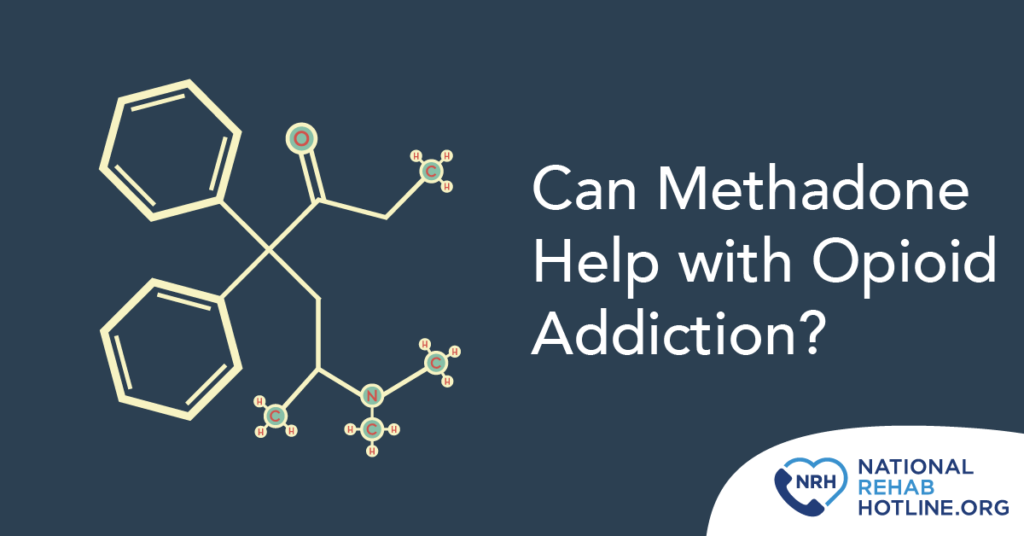
Opioid use disorder (OUD) is a chronic medical condition that affects brain chemistry, behavior and physical health. While counseling and behavioral therapies are important, research consistently shows that medications play a central role in treating opioid addiction.
Methadone is one of the longest-used and most studied medications for opioid use disorder, and it can be an effective tool in recovery. Despite strong evidence supporting its effectiveness, it’s often misunderstood and surrounded by stigma. Understanding how methadone works helps clarify why it remains a cornerstone of treatment.
Below, you’ll learn how methadone works in the brain, who it may help most, how it compares to other medications and what the research says about its safety and effectiveness.
What Is Methadone?
Methadone is a long-acting opioid agonist that’s been used to treat opioid addiction for decades. It’s approved by the FDA and dispensed through federally regulated opioid treatment programs (OTPs).
Unlike short-acting opioids such as heroin or fentanyl, methadone is absorbed slowly and stays in the body for an extended period. When taken as prescribed, it produces stable effects without the rapid highs and lows associated with illicit opioid use.
Because methadone itself is an opioid, its use is carefully regulated to ensure safety and proper monitoring.
How Methadone Works in the Brain
Opioids act on specific receptors in the brain that control pain, reward and breathing. In opioid addiction, these receptors become dysregulated, leading to intense cravings and withdrawal symptoms when opioids aren’t present.
Methadone activates these same receptors but does so in a controlled and long-lasting way. This helps:
- Prevent withdrawal symptoms. Reduces the physical discomfort that often drives continued opioid use.
- Reduce opioid cravings. Lowers the intensity of urges that can lead to relapse.
- Stabilize brain chemistry. Supports more balanced neurological functioning over time.
At the right dose, methadone also blocks the euphoric effects of other opioids. If someone uses heroin or fentanyl while on methadone, they’re less likely to feel the desired high, reducing the incentive to continue illicit use.
How Methadone Helps Treat Opioid Use Disorder
Methadone supports recovery by creating physical and neurological stability. When withdrawal and cravings are controlled, people are better able to focus on daily life, relationships and therapy.
Research shows that methadone treatment:
- Reduces illicit opioid use. Helps decrease ongoing heroin or fentanyl use by stabilizing withdrawal and cravings.
- Lowers the risk of overdose and death. Reduces mortality rates compared to no medication treatment.
- Improves retention in treatment. Increases the likelihood that individuals remain engaged in care long term.
- Decreases transmission of infectious diseases. Reduces injection drug use, which lowers the spread of HIV and hepatitis C.
- Improves overall quality of life. Supports better physical health, daily functioning and social stability over time.
For many people, methadone allows recovery to begin without the constant threat of withdrawal or relapse.
Who Methadone May Help Most
Methadone isn’t the right option for everyone. Because it’s a full opioid agonist with long-lasting effects, it may provide stronger stabilization for people with more severe or persistent opioid dependence.
Methadone can be especially helpful for people who:
- Have long-term or severe opioid dependence. May need a full opioid agonist to manage high tolerance and persistent withdrawal symptoms.
- Haven’t responded well to other medications. May benefit from methadone’s longer track record and structured dosing model.
- Experience intense cravings or repeated relapse. Often need consistent, daily stabilization to reduce risk.
- Benefit from daily structure and supervision. Thrive in a regulated treatment setting that includes monitoring and support services.
A comprehensive evaluation helps determine whether methadone is appropriate based on medical history, substance use patterns and treatment goals.
What Methadone Does Not Do
There are several misconceptions about methadone that can prevent people from considering it as a legitimate treatment option. Because it’s an opioid medication, some assume it simply substitutes one drug for another or delays recovery rather than supporting it. Understanding what methadone does not do can help separate medical fact from stigma.
Methadone:
- Doesn’t create a high when taken as prescribed. At therapeutic doses, it prevents withdrawal and cravings without causing euphoria.
- Isn’t a cure for addiction. It manages the biological aspects of opioid use disorder but doesn’t resolve underlying behavioral patterns on its own.
- Doesn’t replace counseling or behavioral support. Therapy and support services remain essential parts of long-term recovery.
- Doesn’t eliminate the need for long-term care. Opioid use disorder is a chronic condition that often requires ongoing treatment and monitoring.
Recovery involves more than medication alone. Methadone addresses the biological component of addiction, while therapy and support address behavioral and psychological factors.
Effectiveness and What Research Shows
Methadone is one of the most extensively studied treatments for opioid use disorder. Evidence consistently shows that people who remain in methadone treatment have an 80% lower risk of overdose death than those who discontinue medication.
Longer duration of treatment is associated with better outcomes. While some people eventually taper off methadone, others remain on it long-term. Research indicates that staying on methadone is often safer than stopping too early, especially given the high risk of relapse and overdose.
Side Effects and Safety Considerations
Like all medications, methadone can cause side effects. Most are mild and manageable, especially once a stable dose is reached, but understanding potential risks helps people make informed decisions about treatment. Open communication with a provider is key to identifying side effects early and adjusting care as needed.
Common ones include:
- Constipation
- Sweating
- Drowsiness
- Weight changes
Serious risks, such as respiratory depression, are rare when methadone is taken exactly as prescribed but can occur if misused or combined with other sedating substances.
This is why dosing is carefully managed and adjusted over time, especially during the early stages of treatment.
Methadone Compared to Other Medications for OUD
Methadone is one of three FDA-approved medications for opioid use disorder. While all are evidence-based treatments, they differ in how they interact with opioid receptors and how they’re delivered in clinical settings.
- Buprenorphine. A partial opioid agonist with a ceiling effect, which lowers the risk of respiratory depression and overdose. It can often be prescribed in office-based settings, making it more accessible for some people.
- Naltrexone. An opioid antagonist that blocks opioid receptors entirely and requires full detox before starting. It’s typically used by individuals who have already achieved abstinence and want support maintaining it.
Methadone may be preferred for people with severe dependence, high opioid tolerance or repeated relapse, while other medications may be better suited for different needs. No single option works for everyone.
Common Myths and Misconceptions
One of the most common myths is that methadone “replaces one addiction with another.” In reality, addiction involves compulsive behavior, loss of control and harm. When methadone is taken as prescribed, it doesn’t produce intoxication or compulsive use.
Another misconception is that needing medication means recovery hasn’t truly started. Medical consensus recognizes medication-assisted treatment as evidence-based care, similar to using medication for other chronic conditions.
When Methadone Is Part of a Treatment Plan
Structured opioid treatment programs typically provide methadone along with counseling, monitoring and additional support services. This integrated approach helps address both medical and psychosocial needs.
For many people, methadone provides the stability necessary to rebuild health, relationships and daily functioning. Treatment duration is individualized, with decisions guided by safety, progress and personal goals rather than arbitrary timelines.
If you’re exploring treatment options for opioid addiction, you don’t have to figure it out alone. The National Rehab Hotline connects individuals and families with trusted providers nationwide who offer evidence-based care. Reaching out can be the first step toward a safer, more stable recovery.
FAQ: Can Methadone Help with Opioid Addiction?
- Is Methadone Addictive?
Methadone is an opioid, but when taken as prescribed, it doesn’t produce the compulsive behaviors associated with addiction. Addiction involves loss of control and harmful consequences. In a supervised treatment setting, methadone is used in a controlled way to stabilize brain chemistry and reduce cravings. - How Long Do People Stay on Methadone?
There’s no set timeline for methadone treatment. Some people use it for months, while others remain on it for years. Research shows that longer treatment is often safer than stopping too early, especially given the high risk of relapse and overdose. - Does Methadone Cause a High?
At therapeutic doses, methadone doesn’t cause euphoria. Instead, it prevents withdrawal symptoms and reduces cravings in a steady, controlled way. The goal is stability, not intoxication. - Can You Overdose on Methadone?
Overdose is possible if methadone is misused or combined with other depressants such as alcohol or benzodiazepines. When taken exactly as prescribed and properly monitored, the risk is significantly reduced. Careful dosing and medical supervision are essential, especially early in treatment. - Is Methadone Better Than Buprenorphine?
Neither medication is universally better. Methadone may work well for people with severe opioid dependence or high tolerance, while buprenorphine may be more accessible in office-based settings. The right choice depends on individual needs, medical history and treatment goals.